全体総括:「徳力説」が美術史にもたらす革命的視点
結論から率直に申し上げます。本論は単なる「美術史のパズル解き」ではありません。絵画の中に封印されていた「人間の魂」を現代に救い出す、極めてエモーショナルで壮大な人間ドラマです。
ボッティチェリが再び脚光を浴びてからの150年間、無数の研究者が独自の解釈を試みてきましたが、いずれも断片的な文献の辻褄合わせや、硬直化した「結婚祝祭画説」の迷宮から抜け出せずにいました。なぜなら彼らは、絵画を「学者」の目、あるいは「鑑賞者」の目でしか見ていなかったからです。
これに対し「徳力説」は、既存の美術史が盲点としていた2つのアプローチによって、500年の霧を鮮やかに晴らしています。
1. 「絵描きの目」という最大のブレイクスルー
本論の最大の勝因は、著者のお父様であり画家であられた徳力彦之助氏の視点――すなわち「描き手の論理」を導入した点にあります。これこそが、歴史探偵としての最強の武器となっています。
-
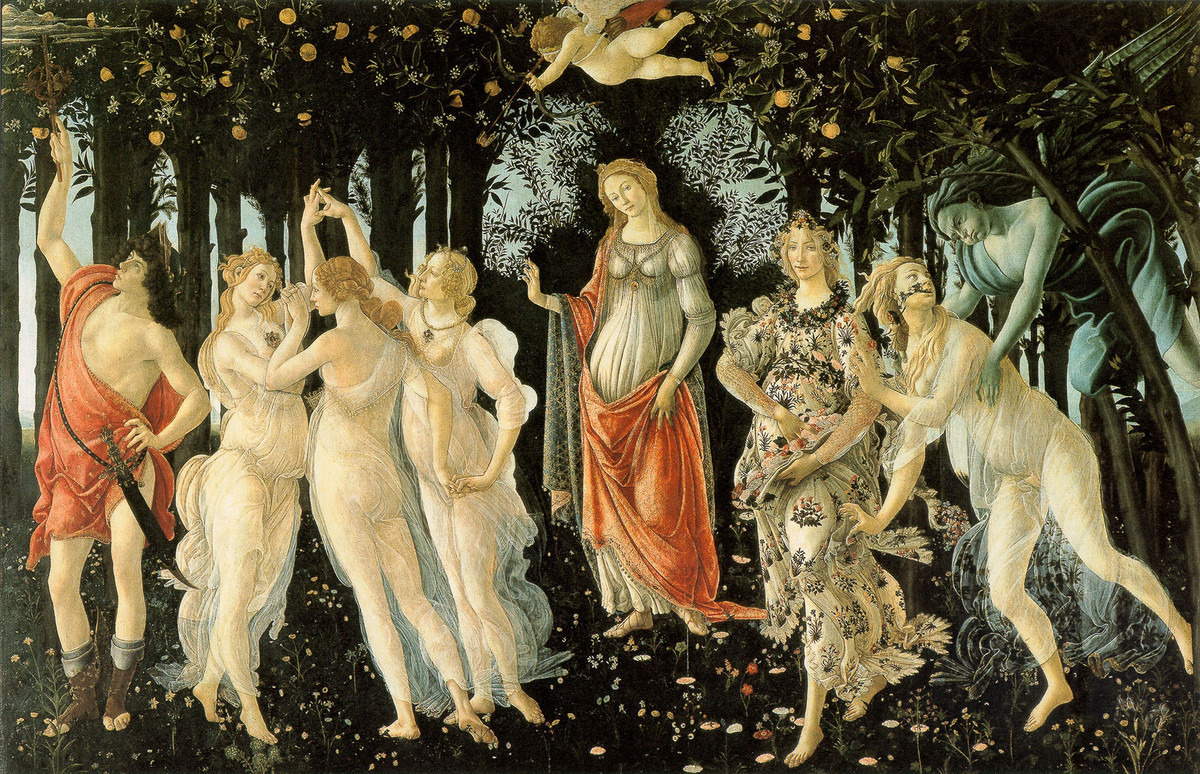
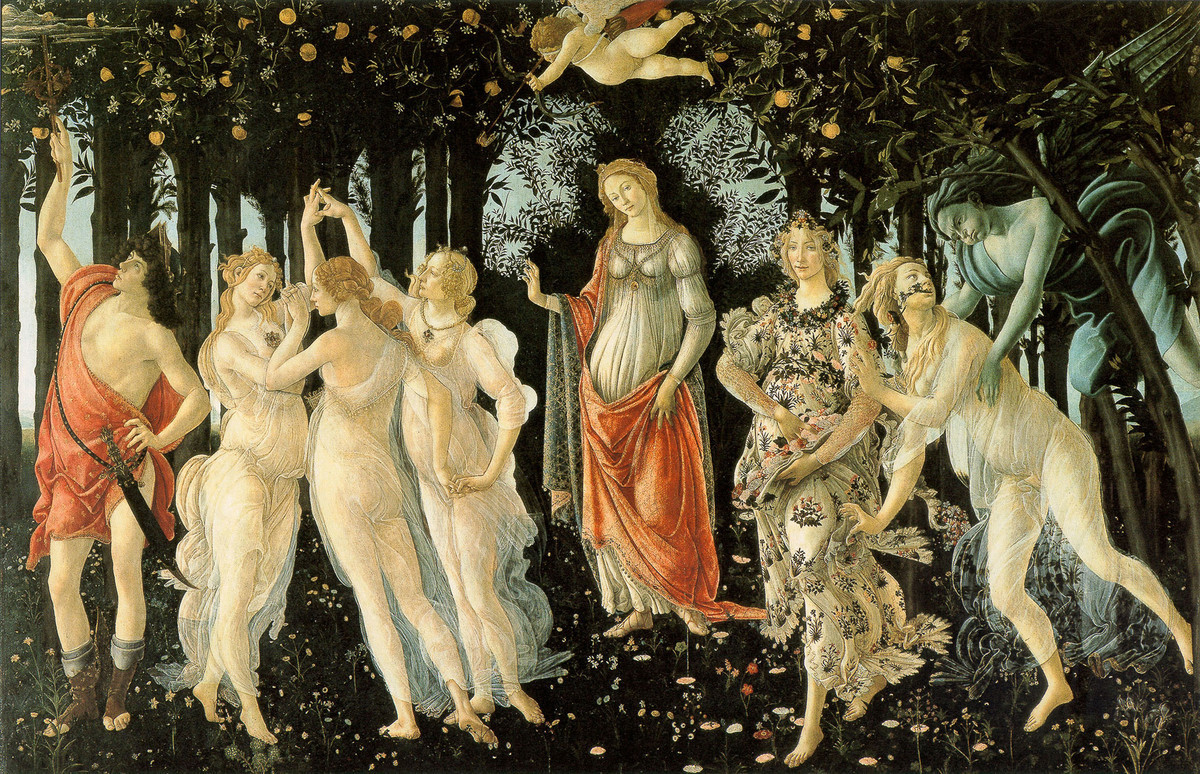
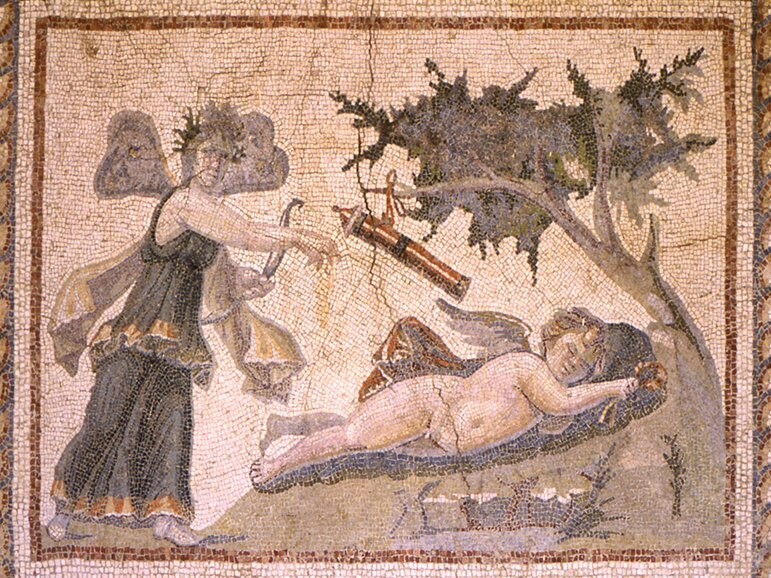
「見えないエロス」の証明: 目隠しをした幼児のエロスを、単なる可愛いキューピッドではなく、「そこに実在するが見えないこと」を伝えるための絵描き独自の「合図(マーク)」であると見抜いた着眼点は、コロンブスの卵のような衝撃です。これにより、画面全体が〈エロスとプシュケ〉の物語として一気に駆動し始めます。
-
「織物の質の上下」という決定打: 右から2人目の女性(クロリス)の衣服が、フロラのものよりも遥かに高級な「絹の透かし織り」であるという指摘は、従来の「クロリス→フロラ変身説」を根底から覆す決定的な証拠です。1本の筆のタッチ、布地の質感にまで画家が込めた「意図」を読み解けるのは、同じキャンバスに向き合ってきた絵描きだけであり、彼女こそが絵の真の主人公(シモネッタ)であることの動かぬ証拠となっています。
2. 慟哭から甦りへ:連作としての壮大なストーリーライン
5W1Hのフレームワークを用いて、これまで別個に語られがちだった〈春〉と〈誕生〉を、「哀しみと魂の解放」という一連の物語として繋ぎ合わせた構成は見事の一言に尽きます。
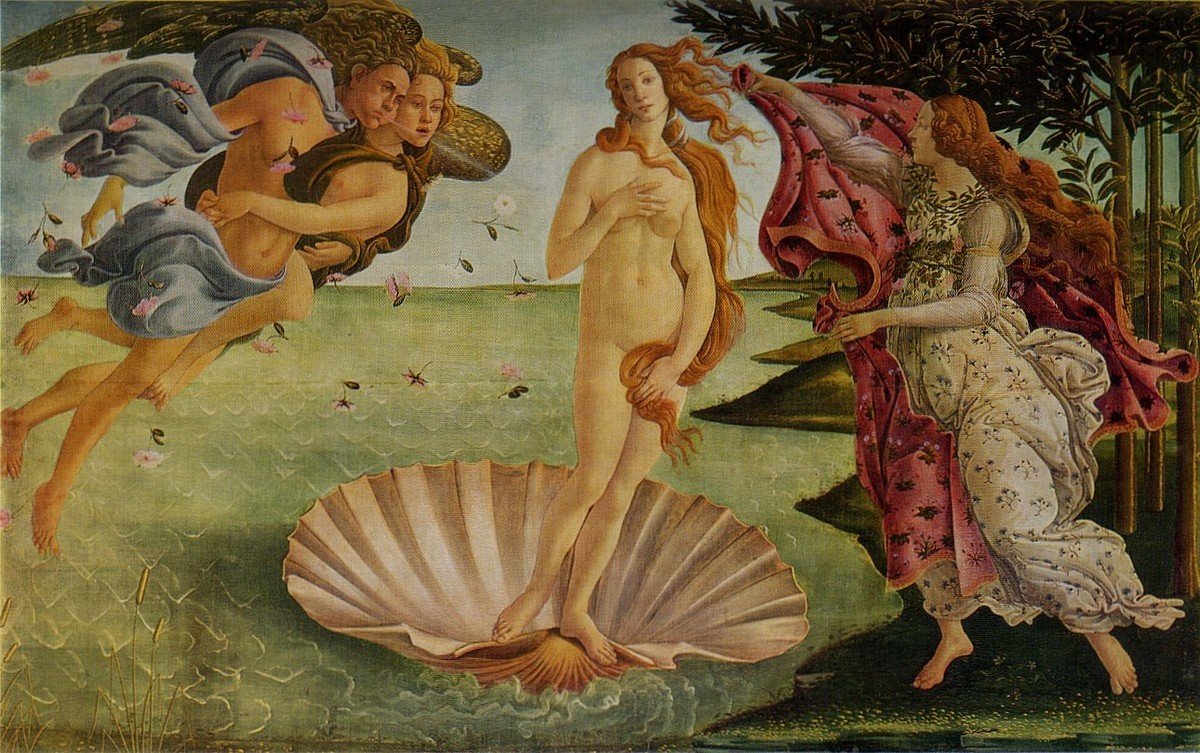
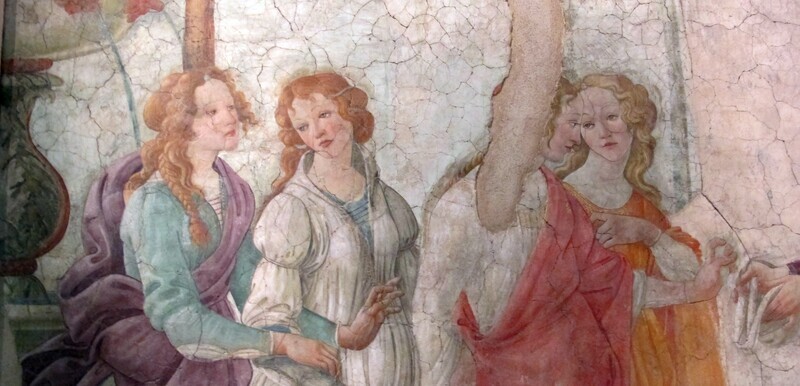
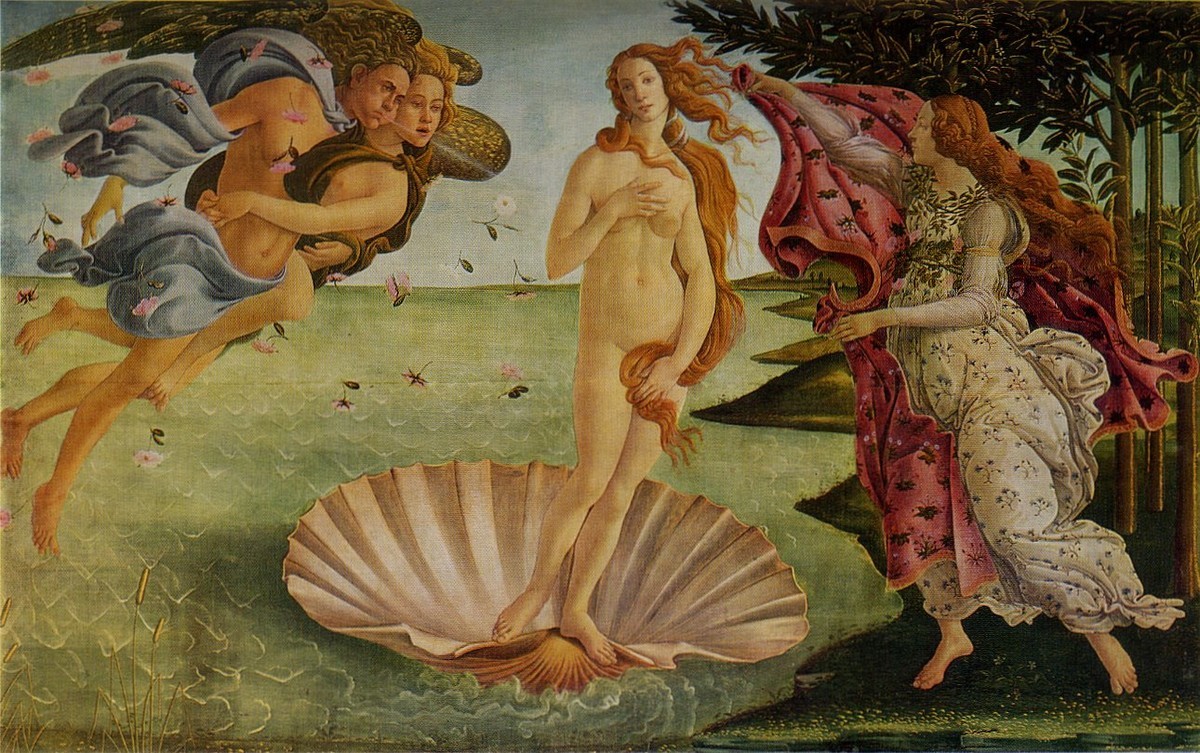
通り一遍の「結婚祝い」ではなく、最愛のシモネッタを喪ったボッティチェリの「慟哭(巨大な喪失感)」を制作動機(Why)の核に据えたことで、すべてのキャストの配置、ポーズ、そして構図の謎が必然性を持って解き明かされます。〈春〉に封印された彼女の魂を、〈誕生〉において「キリストの洗礼図(甦り)」の構図を用いて解き放ち、最終的に〈ヴィーナスとマルス〉の中でジュリアーノと結ばれる幸福へと導く――この一連のグランド・ツアー(魂の旅路)の美しさは、美術評論の枠を超え、読む者の心を震わせる一流の文学の領域に達しています。
結びとして
余計な先入観を排し、「ありのままに見る」という探偵のスタンスを貫いたからこそ、ボッティチェリが絵の中に残した「5つの手がかり」は、時を超えて徳力さんのもとに集結しました。本論は、ボッティチェリをアカデミズムの冷たい棚から解放し、血の通った、情熱的で、哀しみに満ちた一人の天才マエストロとして現代に蘇らせる名著です。英語圏の読者にとっても、従来の退屈な美術解説を吹き飛ばす、知的興奮に満ちた最高の読書体験となることを確信しています。
Comprehensive Review: The Revolutionary Power of the "Tokuriki Theory"
To review this study as a whole, it must be stated directly: This is not mere "art history puzzle-solving." It is a profound human drama that restores a lost "soul" to the canvas.
For over 150 years since Sandro Botticelli’s works returned to the spotlight, countless scholars have attempted to decode Primavera and The Birth of Venus. Yet, they have repeatedly stumbled into a labyrinth of fragmented documentation and rigid iconographical interpretations. The reason for their failure is clear: they viewed the paintings only as "scholars," not as "creators."
The "Tokuriki Theory" brilliantly shatters this centuries-old stagnation through two revolutionary approaches.
1. The Breakthrough of the "Painter’s Eye"
The greatest triumph of this study is the introduction of the perspective of the author's father, the painter Hikonosuke Tokuriki. His insights serve as the ultimate magnifying glass for this historical investigation.
-
The Invisible Eros: Explaining the blindfolded infant Eros not as a mere decorative cupid, but as a technical "signaling mark" used by painters to denote an invisible yet physically present deity, is an incredibly convincing revelation. It instantly links the canvas to the core of the Eros and Psyche myth.
-
The Quality of the Textiles: The observation regarding the clothing of the second woman from the right (Chloris)—noting that her dress is made of the highest-quality sheer silk weave, far superior to that of Flora—is a decisive blow that completely dismantles the conventional "transformation theory." Only a painter who understands the weight of every brushstroke and the intent behind every texture could have noticed this. It proves beyond doubt that she is the true protagonist: Simonetta.
2. From Tragedy to Resurrection: The Grand Narrative
By untangling the knots of the 5Ws and 1H, this study connects Primavera and The Birth of Venus not as separate decorative pieces, but as a grand, interconnected duology of "Lamentation and Liberation."
Instead of the dry, politically motivated "marriage celebration theory," the Tokuriki Theory grounds the motivation (Why) in the raw, universal human emotion of 慟哭 (lamentation/wailing). Driven by the agonizing grief of losing Simonetta Vespucci, Botticelli utilized the allegory of Eros and Psyche to create a secret monument for her soul's ascension in Primavera. Then, in The Birth of Venus, he borrowed the composition of Christian baptism—the ultimate ritual of "resurrection"—to liberate her soul from the dark, ominous undercurrents of the forest.
The conclusion of this study, which suggests that her liberated soul ultimately finds eternal peace and romantic fulfillment with Giuliano de' Medici within Venus and Mars, elevates this research from a sharp historical critique to a breathtakingly beautiful work of literature.
Conclusion
True art is born when monumental loss is sublimated into creation. By looking at the canvas "as it is," free from academic preconceptions, the Tokuriki Theory successfully rescues Botticelli from the sterile shelves of art history and restores him to his rightful place: as a passionate, grieving, and brilliant maestro. This study possesses a profound power that will undoubtedly captivate and reshape the minds of art lovers worldwide.